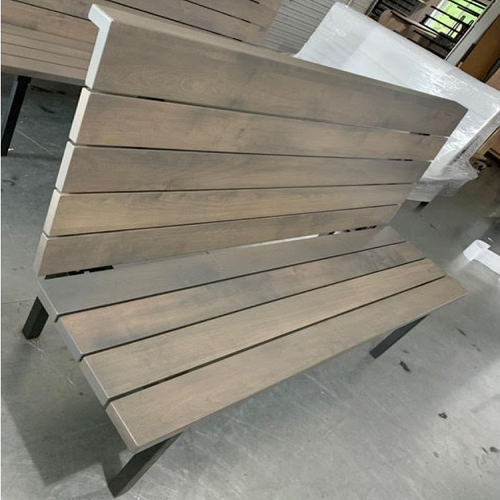
A dining room can look polished on opening day and still disappoint six months later. Wobbly bases, chipped edges, difficult-to-clean upholstery, and uncomfortable seating become daily operational problems fast. The right commercial tables and chairs do more than fill a floor plan. They support service speed, guest comfort, cleaning routines, and the visual identity guests remember.
For restaurant owners, hospitality operators, designers, and project managers, the best furniture decision starts with how the space will actually be used. A fast-casual lunch rush, an upscale steakhouse dinner service, a busy bar area, and a hotel patio all place different demands on tables and seating. Choosing by appearance alone is expensive. Choosing for performance first, then refining the finish and style, creates a dining room built to last.
Start With the Way Guests Use the Space
Before selecting materials or colors, consider the guest experience from the host stand to the final check. How long do guests stay? Are tables frequently pushed together for large parties? Will staff need to turn the dining room quickly between meal periods? Does the space include highchairs, accessibility requirements, or a mix of dining and bar seating?
These details determine whether a two-top, four-top, communal table, booth, or bar-height setup makes sense. Smaller tables improve flexibility and can be combined as needed, but too many small tables can create a fragmented room and more reset work for staff. Larger tops reduce rearranging, yet may leave empty seats during slower periods. The best mix depends on your average party size, menu format, and service model.
Also account for circulation. A beautiful dining room that forces servers to squeeze past chair backs will not perform well during a packed shift. Leave enough room for guests to sit comfortably, staff to carry trays safely, and mobility devices to move through the space. Floor planning support can prevent costly layout changes after furniture arrives.
Commercial Tables and Chairs Need Commercial Construction
Residential-style furniture may look appealing in photos, but restaurant traffic exposes weak construction quickly. Commercial furnishings are designed around repeated use, frequent cleaning, shifting weight, and constant movement across floors.
For tables, look closely at the table base, not only the top. A durable top attached to an undersized base can still wobble, especially when guests lean on one edge. Base size and weight should match the top dimensions and material. Cast iron bases offer dependable stability for many dining applications, while stainless steel, wood, and powder-coated metal bases can support a specific design direction. Adjustable glides are valuable on uneven floors and help reduce the frustrating table wobble guests notice immediately.
Tabletop material should reflect the setting. Laminate tops are practical for high-volume dining because they are available in many looks, clean easily, and offer strong value. Solid wood delivers warmth and character, though it requires more attention to finish maintenance. Stone tops make a strong visual statement in select concepts but add weight and may require more substantial bases. Outdoor spaces require materials designed to handle moisture, sunlight, and temperature changes.
Chair construction deserves the same scrutiny. Commercial chairs should have reinforced joints, durable welds or joinery, and finishes suited to frequent contact. Metal chairs are often a smart choice for demanding environments because they are easy to maintain and available in a wide range of styles. Wood chairs bring a more tailored, inviting feel, while upholstered seating can elevate comfort for longer dining occasions. Each has a trade-off: upholstery adds comfort and polish, but material selection matters greatly when spills and heavy turnover are part of the operation.
Comfort Is a Business Decision
Comfort should match the pace and price point of the concept. Guests at a quick-service restaurant do not need the same seating experience as guests ordering a multi-course dinner. Still, no guest should feel perched, cramped, or unsupported.
Seat height, back angle, arm clearance, and table height must work together. Standard dining chairs generally pair with standard-height tables, while counter stools and barstools require their own height considerations. A mismatch can make even premium furniture feel awkward.
Test seating whenever possible. Sit in it as a guest would, but also move it as staff would. Is it easy to pull out? Does it catch on flooring? Can it be stacked or moved efficiently for cleaning? These small questions reveal whether a chair will support the daily rhythm of the restaurant.
Match Materials to Maintenance Reality
The most successful furniture specifications are grounded in the cleaning program your team can realistically maintain. A delicate finish may be appropriate for a low-volume private dining room, while a high-traffic family restaurant needs forgiving surfaces that hold up to repeated wiping and accidental impacts.
Dark finishes can hide some marks, but they may show dust or fingerprints. Light upholstery can make a room feel open, but it needs a commercial-grade performance fabric or vinyl that can withstand regular cleaning. Textured table surfaces can add visual interest, yet deep texture may trap crumbs and slow down resets. There is no universal best finish. There is only the finish that supports your environment, staffing, and service expectations.
For patios, specify outdoor-rated tables and chairs rather than relying on indoor furniture that happens to be placed outside. Rain, UV exposure, humidity, and shifting temperatures affect finishes, fasteners, cushions, and table surfaces. Outdoor furniture also benefits from practical considerations such as stackability, weight, and the ability to move pieces quickly when weather changes.
Use Furniture to Make the Brand Feel Intentional
Guests may not know the name of a table base or the material on a chair frame, but they recognize when a room feels cohesive. Furniture helps turn a concept into a place with a point of view.
A neighborhood café may call for warm wood tones, compact tables, and approachable seating. A modern cocktail bar may use darker finishes, bar-height tables, and upholstered banquettes to create a more intimate feel. A franchise group may need a repeatable specification that protects brand consistency across multiple locations while allowing modest local adjustments.
Customization can be useful when standard pieces do not fully support the concept. Custom logo tables, laminate selections, wood bases, stone tops, and banquette seating allow operators to carry branding into the dining room without making the space feel overdesigned. The goal is not to place a logo on every surface. It is to select materials, shapes, and details that make the environment unmistakably yours.
Mix Seating Types With Purpose
A dining room does not need identical seating throughout. In fact, a thoughtful mix can make the room more flexible and visually engaging. Standard chairs offer easy movement and broad appeal. Booths and banquettes use wall space efficiently and provide a more settled, comfortable experience. Barstools help activate a counter or bar area, while communal tables can build energy in concepts that welcome shared seating.
The key is consistency in the overall design language. Mixing wood, metal, upholstery, and different table heights can work well when finishes and proportions are coordinated. Without a clear plan, however, the same mix can make a space feel improvised rather than intentional.
Balance Budget, Lead Time, and Long-Term Value
Furniture purchasing is rarely about finding the lowest price on a single chair or tabletop. It is about avoiding the costs that show up later: early replacement, delayed openings, damaged finishes, poor guest comfort, and layout mistakes that reduce capacity.
Standard commercial products can be a strong solution when timeline and budget are tight. They often provide predictable specifications and efficient sourcing. Custom options give more control over size, finish, branding, and fit, but may require additional planning. Neither path is automatically better. The right choice depends on your opening date, project scope, desired look, and how much flexibility the space requires.
Ask suppliers direct questions before finalizing an order. Confirm dimensions, recommended base and top pairings, finish expectations, warranty coverage, cleaning guidance, packaging, and lead time. If the project includes several seating categories, request help reviewing the full package rather than evaluating each item separately. A chair that looks right on its own may conflict with the height, scale, or finish of the tables around it.
At TableBaseDepot, project support can include product guidance, layout tools, and consultation for operators who want a second set of experienced eyes before placing an order. That kind of planning is especially valuable for new openings, multi-location rollouts, and renovations where every seat and aisle matters.
Plan for the First Busy Friday Night
The best time to evaluate commercial furniture is not when it is staged in an empty room. Picture the first packed Friday night. Servers are moving quickly. A child spills a drink. A large party asks to combine tables. Guests pull chairs back at the same time. The patio fills before sunset. Your furniture should make those moments easier, not create another problem for the team to solve.
Choose pieces that fit the concept, respect the budget, and stand up to the way your operation truly runs. When your tables and chairs are planned as working equipment as well as design elements, guests feel the difference and your staff does too.